

Unlocking Espresso Excellence: Conquering the Watery Puck Dilemma
Espresso making is both an art and a science, but even seasoned baristas encounter the frustration of a watery espresso puck from time to time. This phenomenon can be perplexing, but fear not – we're here to delve into the reasons behind this issue and provide practical solutions to ensure your espresso-making endeavors yield rich, flavorful shots every time.
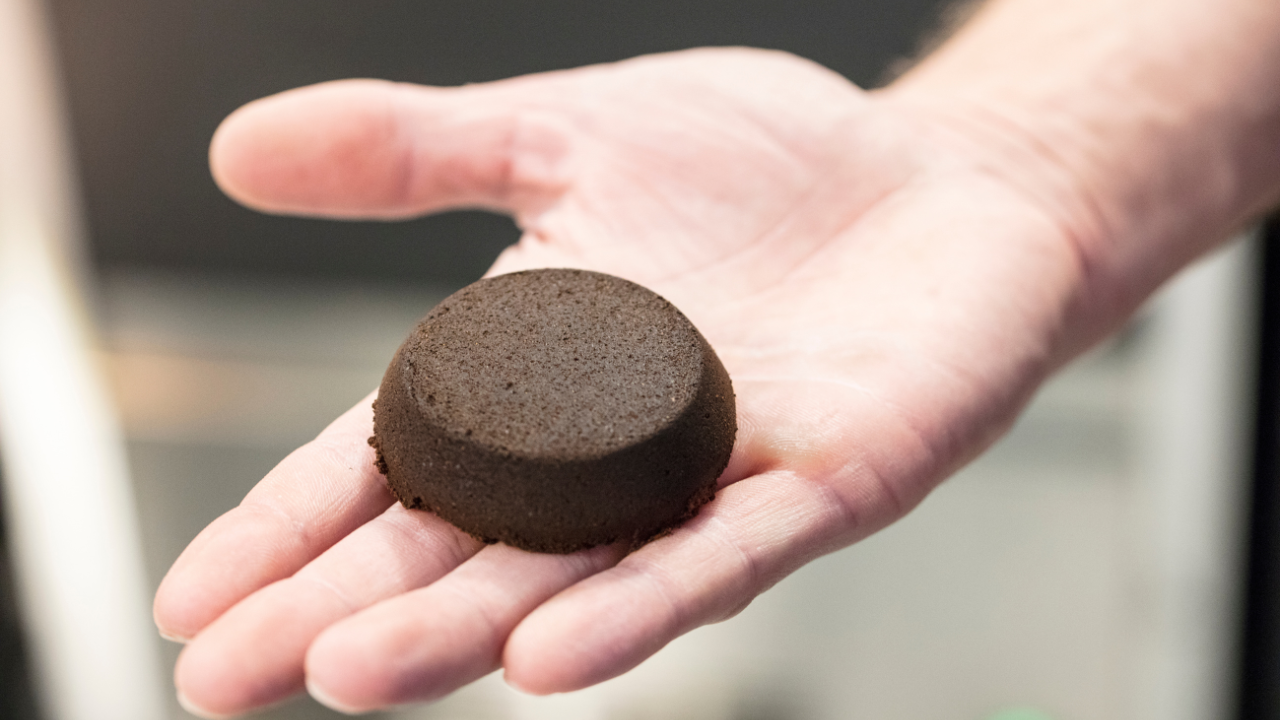
Understanding the Problem
First things first, let's go over the basics of the problem.
What is an espresso puck?
An espresso puck refers to the compacted mass of coffee grounds that remains in the portafilter basket after espresso extraction. It's formed when finely ground coffee is evenly distributed and firmly tamped into the portafilter, creating a dense bed of coffee grounds through which hot water is forced under pressure during the brewing process.
Why does the espresso puck become watery?
The espresso puck can become watery due to several factors:
- Inadequate tamping pressure: If the coffee grounds are not tamped with sufficient pressure, the puck may not form a solid barrier, allowing water to flow through channels in the puck rather than evenly extracting flavor from the entire bed of coffee.
- Grind size inconsistency: Uneven or inconsistent grind size can lead to areas of the puck being under-extracted while others are over-extracted. This can result in a weak, watery extraction as water seeks the path of least resistance through the puck.
- Channeling: Channeling occurs when water finds a path of least resistance through the coffee puck, bypassing some of the grounds altogether. This can happen due to uneven distribution of coffee grounds or irregularities in tamping pressure, resulting in a less effective extraction and a watery espresso.

The impact of a watery puck on espresso quality:
A watery espresso puck can have a significant impact on the quality of the espresso shot:
- Weak flavor: Since the water is not evenly extracting flavor from the coffee grounds, the resulting espresso shot may lack depth and intensity in flavor, tasting weak and diluted.
- Thin crema: The crema, the golden foam that tops a well-made espresso shot, may be thin or non-existent when the extraction is uneven and watery. This can detract from the visual appeal and mouthfeel of the espresso.
- Inconsistent shot quality: Watery pucks often lead to inconsistent extraction, resulting in variations in flavor and quality from shot to shot. This inconsistency can be frustrating for baristas and coffee enthusiasts striving for perfection in their espresso-making endeavors.

Causes of a Watery Espresso Puck
A watery puck can be as frustrating as it is messy - literally. There isn't one sole culprit for a watery espresso puck, so let's go over them all.
Inadequate Tamping Pressure:
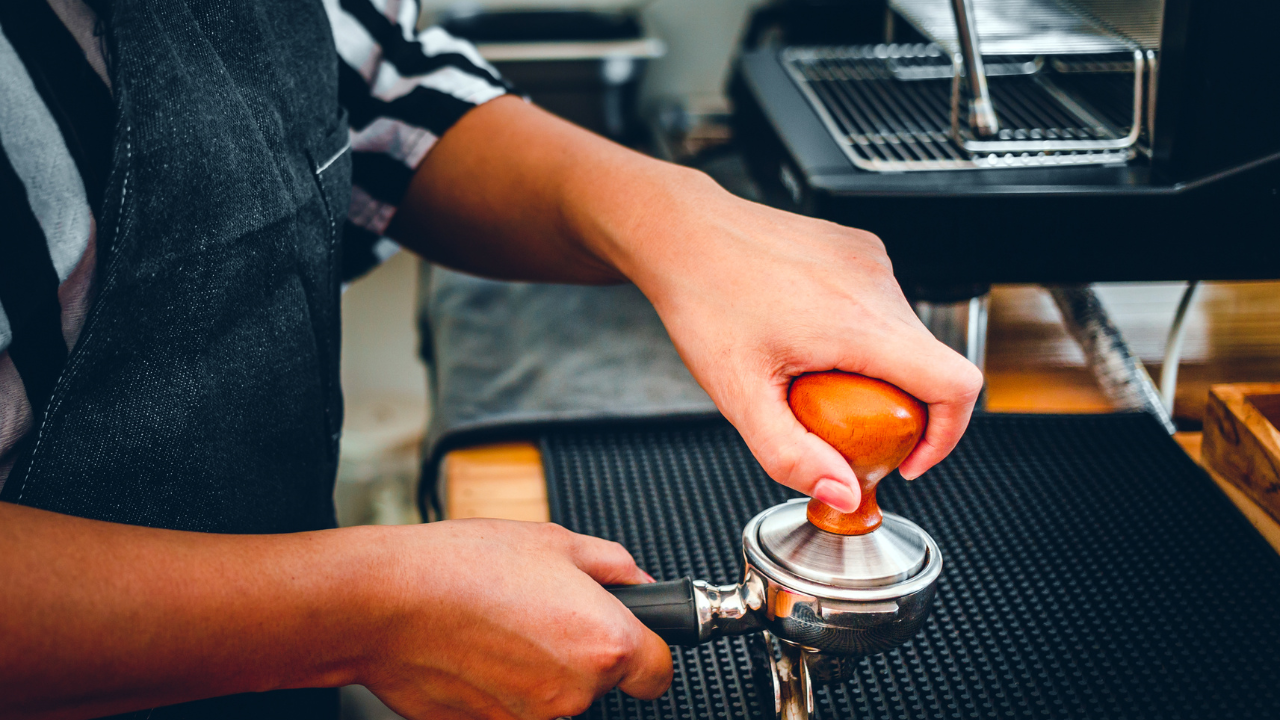
Inadequate tamping pressure is a common culprit behind a watery espresso puck. When the coffee grounds are not firmly compressed with sufficient pressure, the resulting puck may lack density and integrity. This can lead to channeling, where water finds paths of least resistance through the puck, bypassing some of the coffee grounds. As a consequence, the extraction becomes uneven, resulting in a weak and underwhelming espresso shot.
Grind Size Inconsistency:
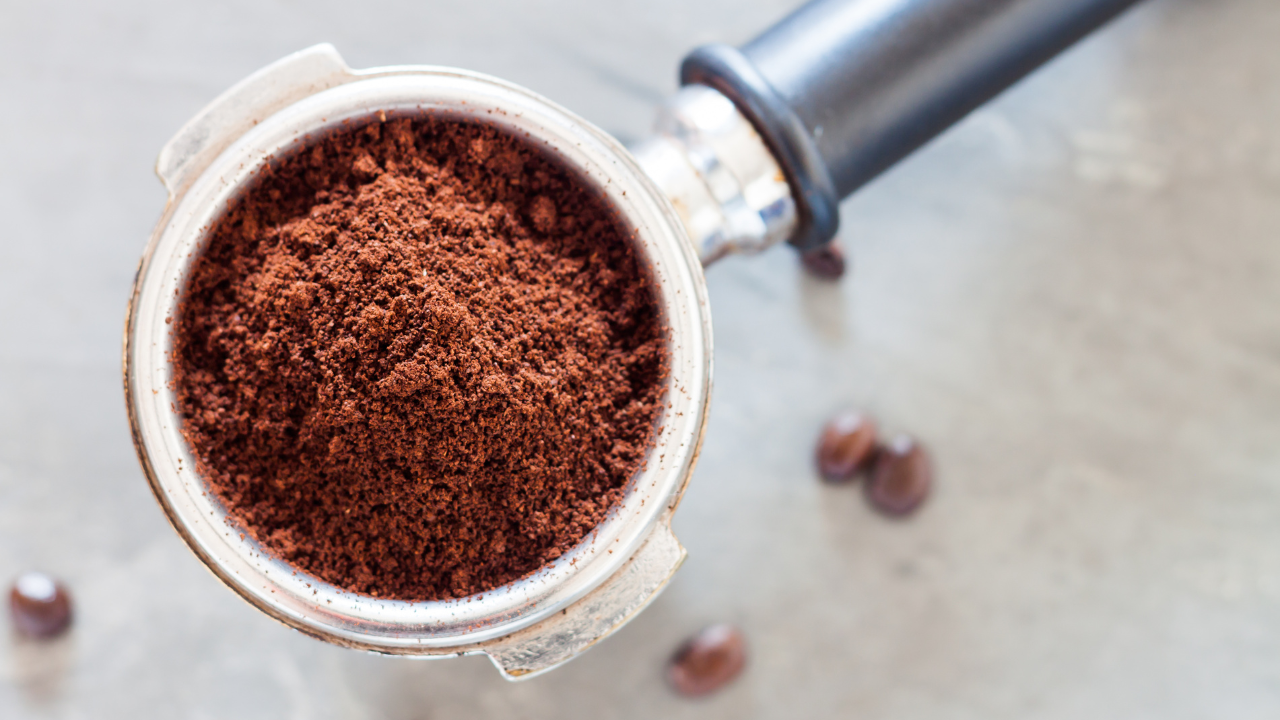
Grind size inconsistency can wreak havoc on the espresso-making process. When the coffee grounds vary in size, some particles may be too coarse while others are too fine. As a result, water penetrates through the puck unevenly during extraction, leading to areas of over-extraction and under-extraction. The under-extracted areas contribute to the watery texture of the puck, diminishing the overall quality of the espresso shot.
Improper Distribution:
Proper distribution of coffee grounds is paramount for achieving a uniform extraction and preventing channeling. Uneven distribution can result in certain areas of the puck being denser than others, leading to uneven extraction and a watery puck. It's essential to evenly distribute the coffee grounds in the portafilter basket to ensure that water flows through the entire puck uniformly, extracting flavor evenly from all parts of the coffee bed.
How to Fix a Watery Puck
Have no fear - fixing a watery puck is relatively simple. Follow the below steps and your pucks will be as dry as the desert in no time.
Solutions to Fix a Watery Espresso Puck:
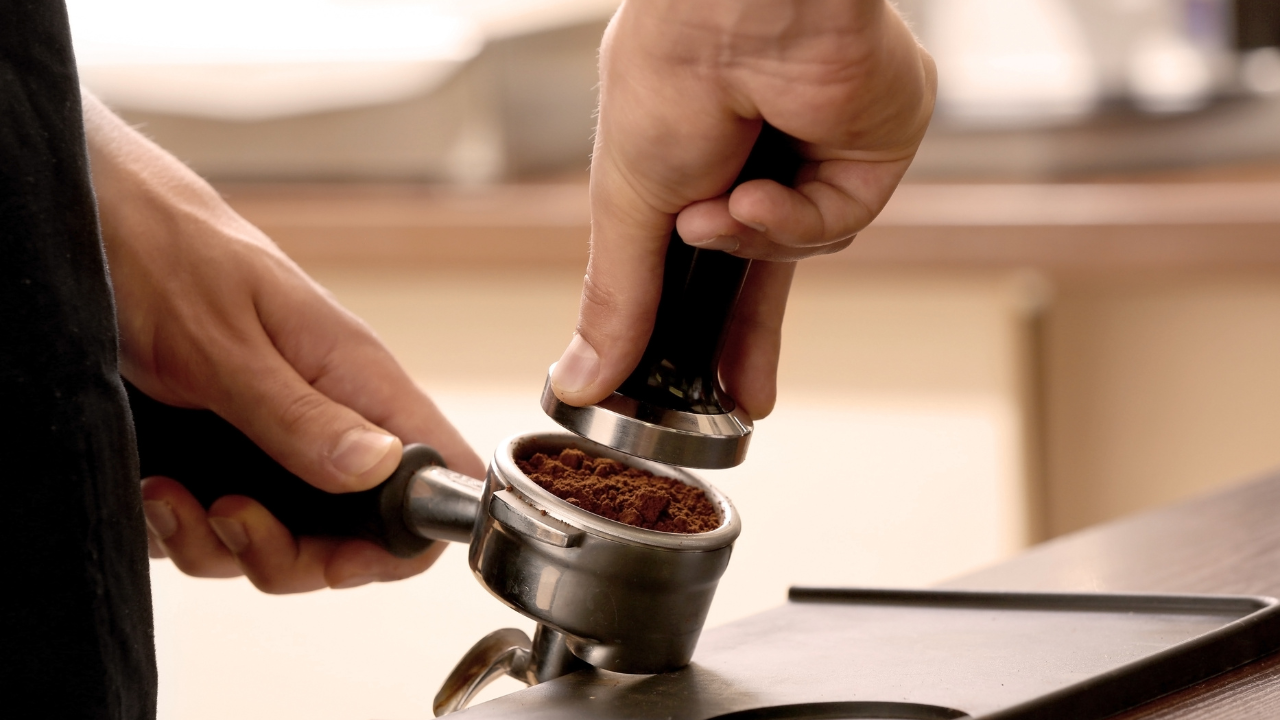
Proper Tamping Technique:
Achieving consistent and adequate tamping pressure is essential for creating a firm and level espresso puck. Here are some tips:
- Use a quality tamper that fits snugly in your portafilter basket.
- Apply even pressure while tamping, using your forearm for support and ensuring the tamper is perpendicular to the coffee bed.
- Aim for a tamping pressure of around 30 pounds (or 15 kilograms) to achieve proper compression without overdoing it.
- Practice consistency in your tamping technique, as variations can lead to uneven extraction and channeling.
Grind Adjustment:
Adjusting the grind size can help achieve the optimal particle size distribution for your espresso machine and coffee beans. Follow these steps:
- Start by experimenting with small adjustments to your grinder settings, either coarser or finer, depending on the extraction results.
- Aim for a grind size that allows water to flow through the coffee puck evenly, without causing channeling or excessive resistance.
- Keep in mind that finer grinds slow down extraction, while coarser grinds speed it up. Adjust accordingly to achieve the desired extraction time and flavor profile.

Distribution Techniques:
Proper distribution of coffee grounds in the portafilter basket is crucial for ensuring even extraction and preventing channeling. Consider the following techniques:
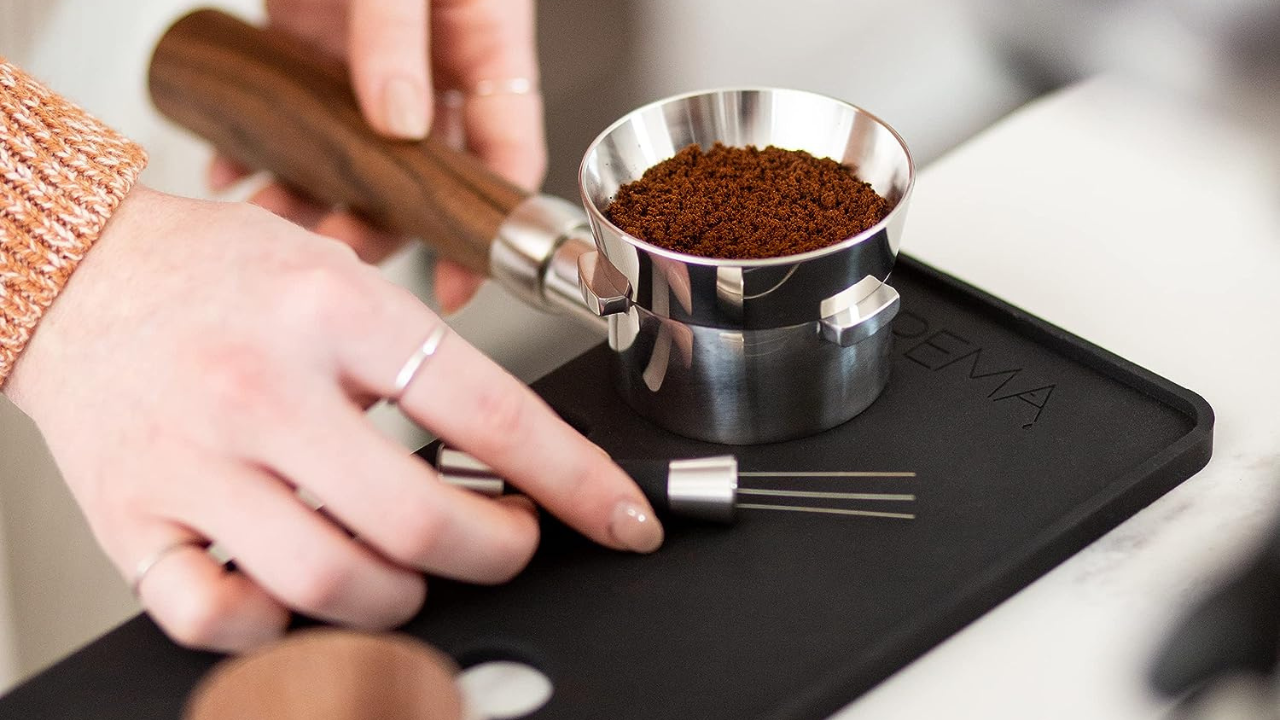
- Weiss Distribution Technique (WDT): Use a tool like a toothpick or WDT tool to break up clumps and evenly distribute the coffee grounds in the portafilter basket. This helps create a uniform coffee bed for consistent extraction.
- Stockfleths Move: After dosing the coffee grounds into the portafilter, use a gentle shaking motion or a tapping technique to distribute the grounds evenly across the basket. This ensures uniform density throughout the puck.

More Tips for Fixing a Watery Espresso Puck
None of the above do it for you? Try these tips.
Regular Equipment Maintenance:
Keeping your espresso equipment clean and well-maintained is crucial for ensuring consistent quality in your espresso shots. Here's why:
- Regular cleaning prevents the buildup of coffee oils and residues in the espresso machine, which can affect flavor and clog the brewing system.
- Check and clean the portafilter, group head, and shower screen regularly to ensure proper water flow and distribution during extraction.
- Descaling your espresso machine periodically helps remove mineral deposits that can affect water temperature and pressure, leading to inconsistent extraction.

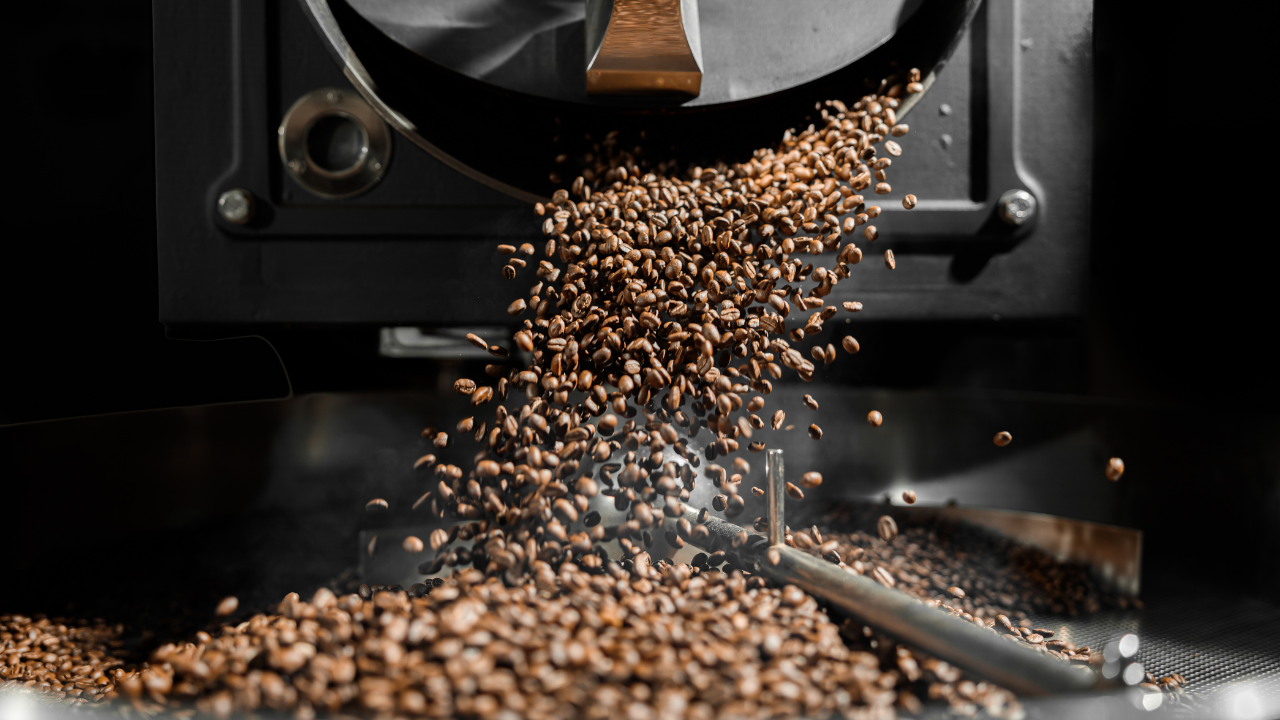
Using High-Quality Beans:
The quality of your coffee beans plays a significant role in the flavor and crema of your espresso shots. Consider these points:
- Opt for freshly roasted, high-quality coffee beans that are suited to your taste preferences and brewing method.
- Experiment with different coffee varieties and origins to discover flavor profiles that complement your palate.
- Store your coffee beans properly in an airtight container away from light, heat, and moisture to maintain freshness and flavor.
Practicing Consistency:
Consistency is key to mastering the art of espresso making and achieving reliable results. Here's how to practice consistency:
- Develop a routine for dosing, tamping, and brewing espresso shots, and stick to it for each session.
- Keep track of variables such as grind size, brewing time, and water temperature, and make adjustments as needed to maintain consistency.
- Practice steaming milk for cappuccinos and lattes consistently to achieve the desired texture and temperature.
- Continuously evaluate and refine your technique through observation, tasting, and feedback to improve consistency and quality over time.


